Books Where the System Is the Villain: 7 Urban Fantasy Series That Get Power Right
The scariest villains in urban fantasy aren't the dark lords or evil witches—they're the systems that make you complicit in your own oppression.
You know the moment. Your protagonist discovers that the government they trusted is corrupt. The magic guild that "protects" people is actually exploiting them. The council that claims to keep peace is really just maintaining control.
And suddenly, every choice becomes a trap.
Do you work within the system and hope to change it from the inside? Do you burn it down and risk collateral damage? Or do you find a third way—one that doesn't ask you to sacrifice yourself or everyone around you?
The best urban fantasy series don't just give you a villain to defeat. They give you a system to question.
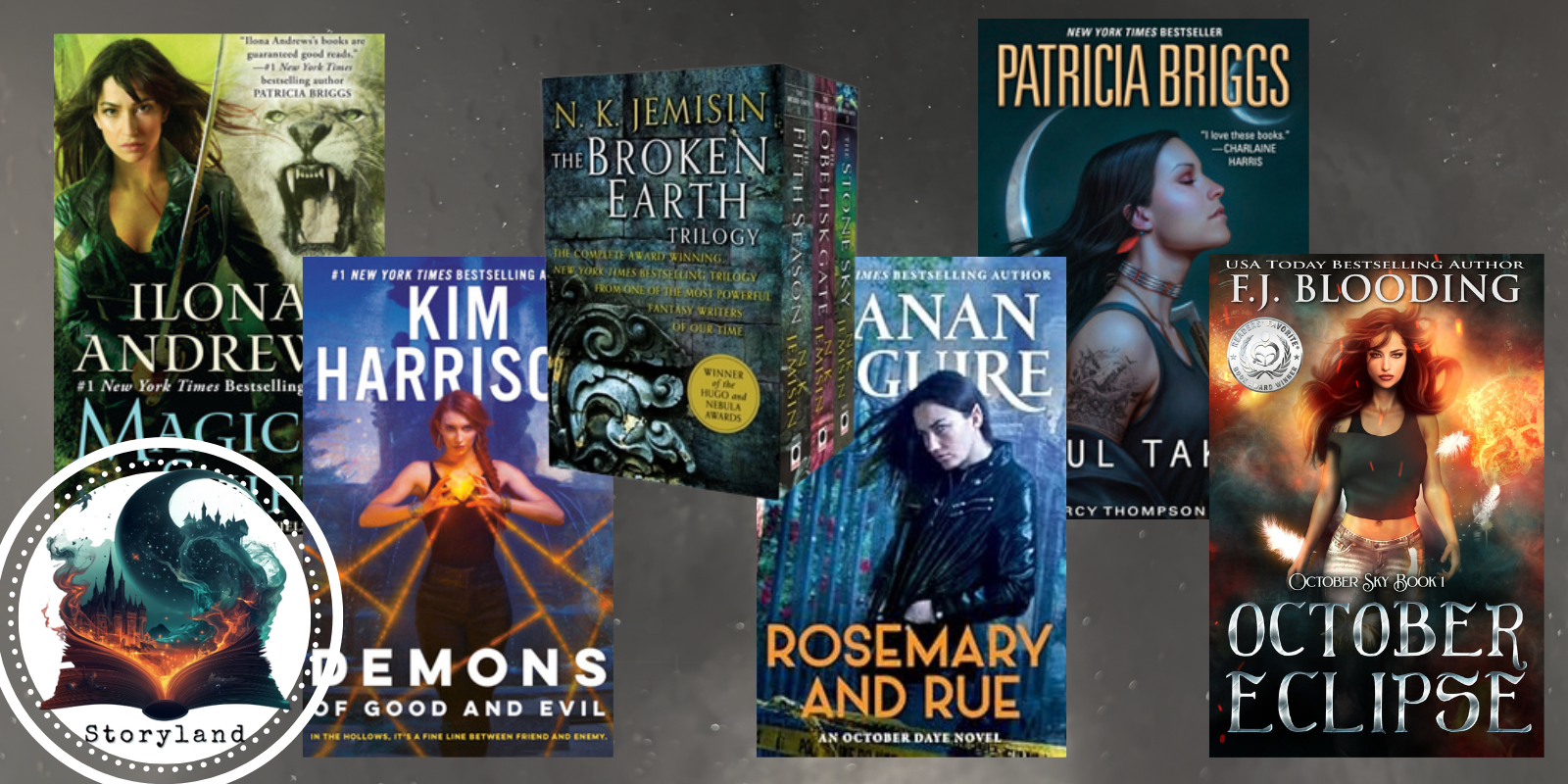
Here are 7 series (including two of mine) where the system is the villain—and where characters have to decide whether to bend it, break it, or burn it to the ground.
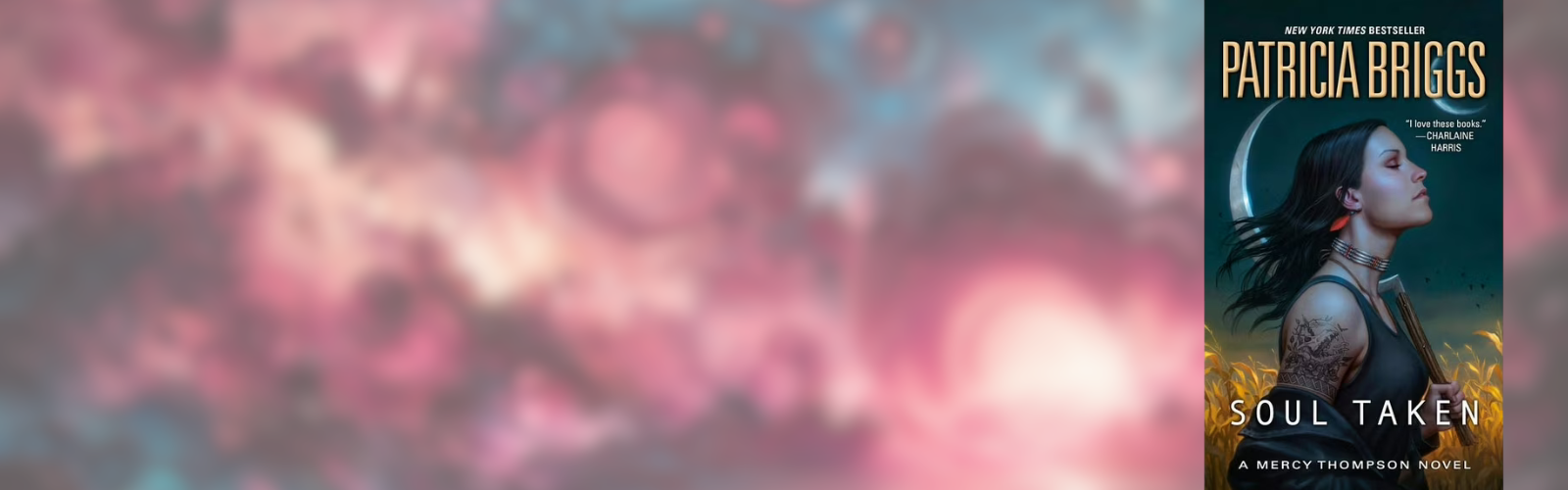
1. Patricia Briggs' Mercy Thompson Series — When Pack Politics Become a Cage
The System: Werewolf pack hierarchy, fae courts, vampire seethe politics—all designed to maintain order, but at the cost of individual freedom.
Why It Works: Mercy constantly navigates systems that demand obedience. She's not pack, but she's tied to them. She's not fae, but she's caught in their games. The brilliance of this series is that Mercy can't just "defeat the bad guy"—she has to survive within systems that are fundamentally rigged against people like her.
The Choice: Mercy bends the system. She finds loopholes, builds alliances, and refuses to play by rules that were never designed to protect her.
Start here: Moon Called (Book 1)
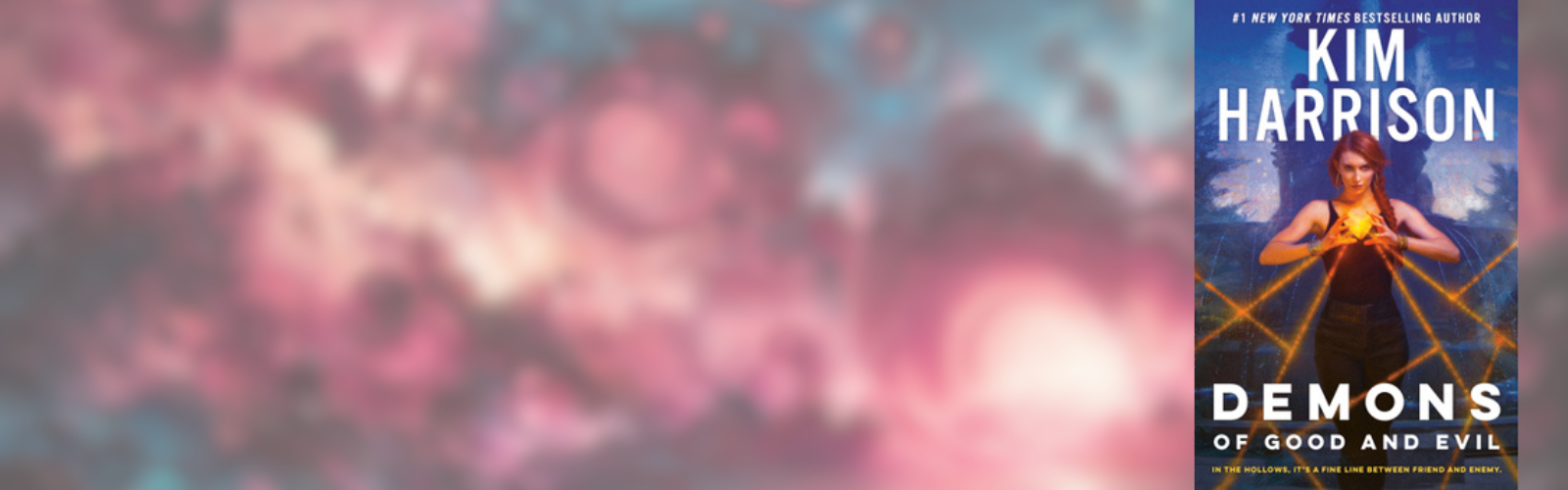
2. Kim Harrison's The Hollows — When the Cure Is Worse Than the Disease
The System: A genetically engineered virus that created witches, vampires, and other Inderlanders—and a society that segregates them from humans "for everyone's safety."
Why It Works: The system in The Hollows was created with good intentions (stop a plague), but it resulted in an entire underclass of magical beings who are feared, controlled, and exploited. Rachel Morgan has to navigate a world where the rules are designed to keep her kind "in their place."
The Choice: Rachel works within the system at first (as a bounty hunter for the I.S.), but eventually realizes the system itself is broken. She doesn't burn it down—she dismantles it piece by piece.
Start here: Dead Witch Walking (Book 1)
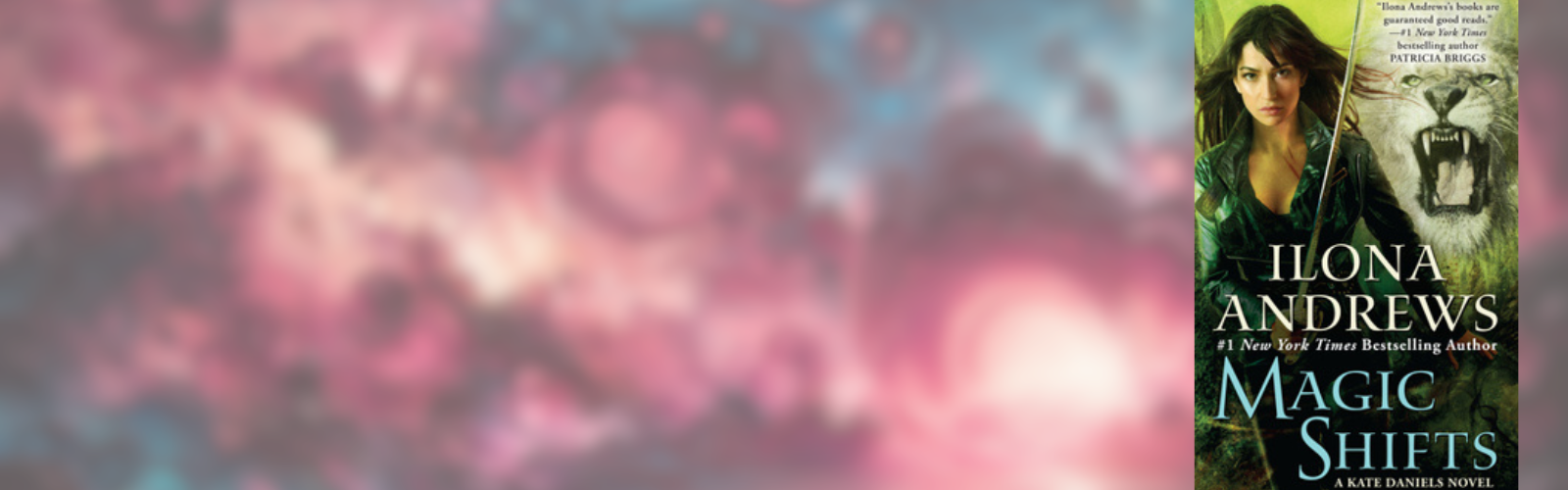
3. Ilona Andrews' Kate Daniels Series — When the Guild Exploits the People It Claims to Protect
The System: The Mercenary Guild, which is supposed to provide work and protection for magic-users, but actually underpays, overworks, and abandons them when they're no longer useful.
Why It Works: Kate isn't fighting one villain—she's fighting the entire structure of power in post-magic Atlanta. The Guild is just one example of how systems exploit people who have no other options.
The Choice: Kate eventually builds her own system—one based on loyalty, fairness, and chosen family instead of exploitation.
Start here: Magic Bites (Book 1)
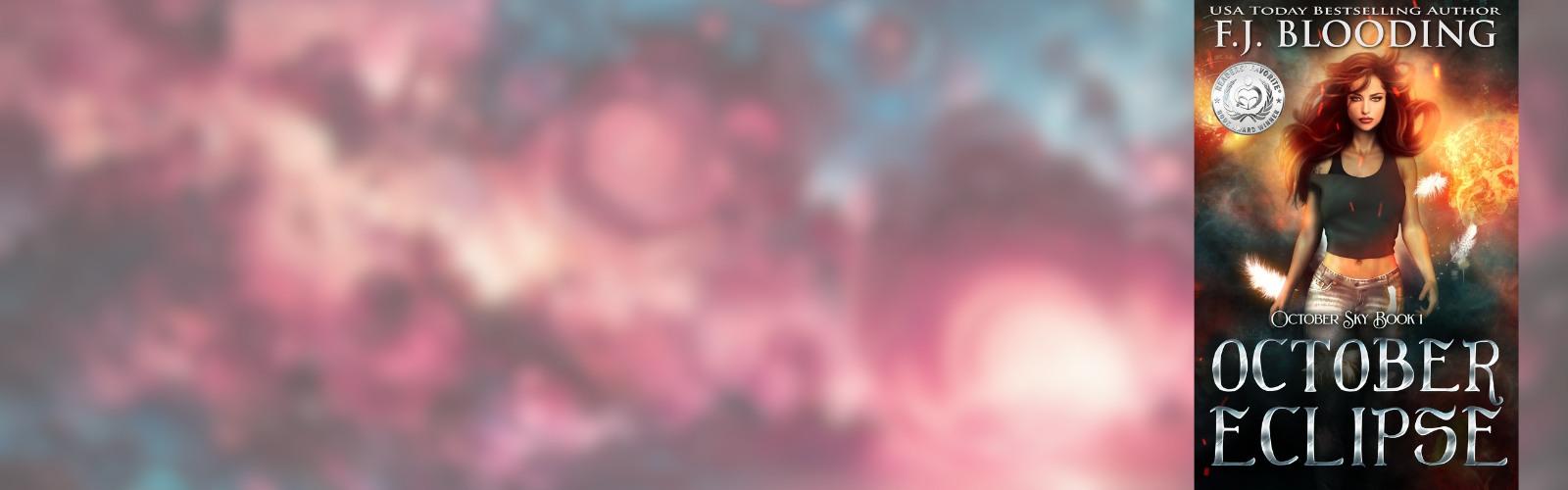
4. F.J. Blooding's October Eclipse Series — When the Government You Trust Is Hunting You
The System: A shadow government that monitors, controls, and eliminates magical threats—even when those "threats" are just people trying to survive.
Why It Works: October isn't fighting a villain. She's fighting a system that sees her existence as a problem. The people hunting her aren't evil—they're following orders within a system designed to eliminate anyone who doesn't fit.
The Choice: October has to decide: disappear and stay safe, or resist and risk everything. But the system doesn't give her the luxury of neutrality.
Start here: October Eclipse (Book 1) — [Link to book page]
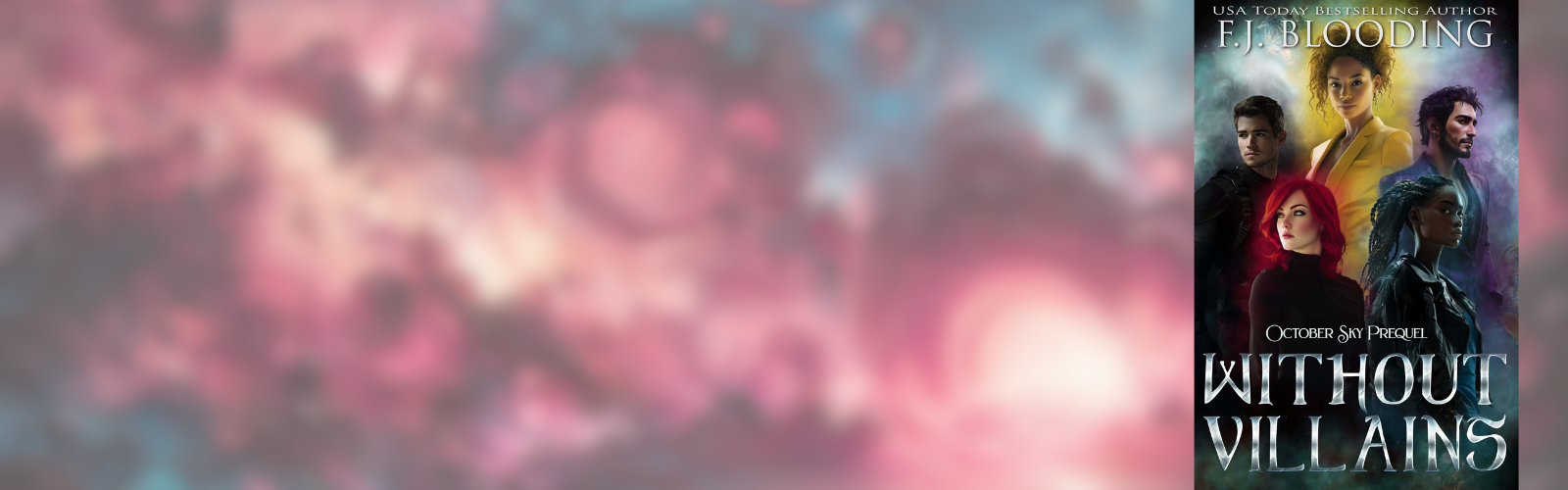
5. F.J. Blooding's Without Villains — When Partnership Is Rebellion
The System: A world where power is concentrated in the hands of a few, and everyone else is expected to serve, obey, or disappear.
Why It Works: Without Villains asks the question: What if the real act of resistance isn't violence—it's partnership? What if the system's greatest fear isn't someone burning it down, but people choosing each other over power?
The Choice: The characters in Without Villains aren't trying to overthrow the system (yet). They're trying to build something outside of it—something the system can't control or co-opt.
Where to read it: Story Explorers members can read Without Villains as I write it, along with behind-the-scenes notes on how power and partnership shape the story. [Join Story Explorers]
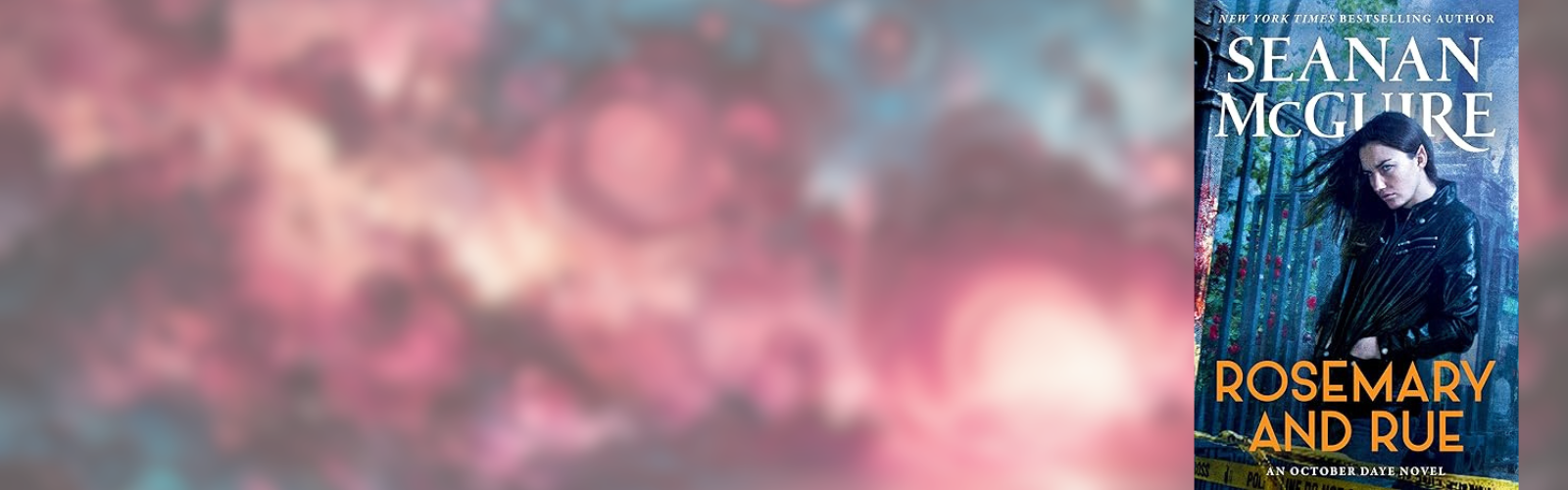
6. Seanan McGuire's October Daye Series — When Faerie Politics Are a Blood Sport
The System: The fae nobility, where bloodlines determine power, and the "changelings" (half-human fae) are treated as disposable.
Why It Works: October is a changeling—which means she's powerful enough to be useful, but not "pure" enough to be respected. The system uses her when it needs her and discards her when it doesn't.
The Choice: October doesn't try to destroy the fae courts—she forces them to acknowledge her. She fights for changelings to be seen as people, not tools.
Start here: Rosemary and Rue (Book 1)
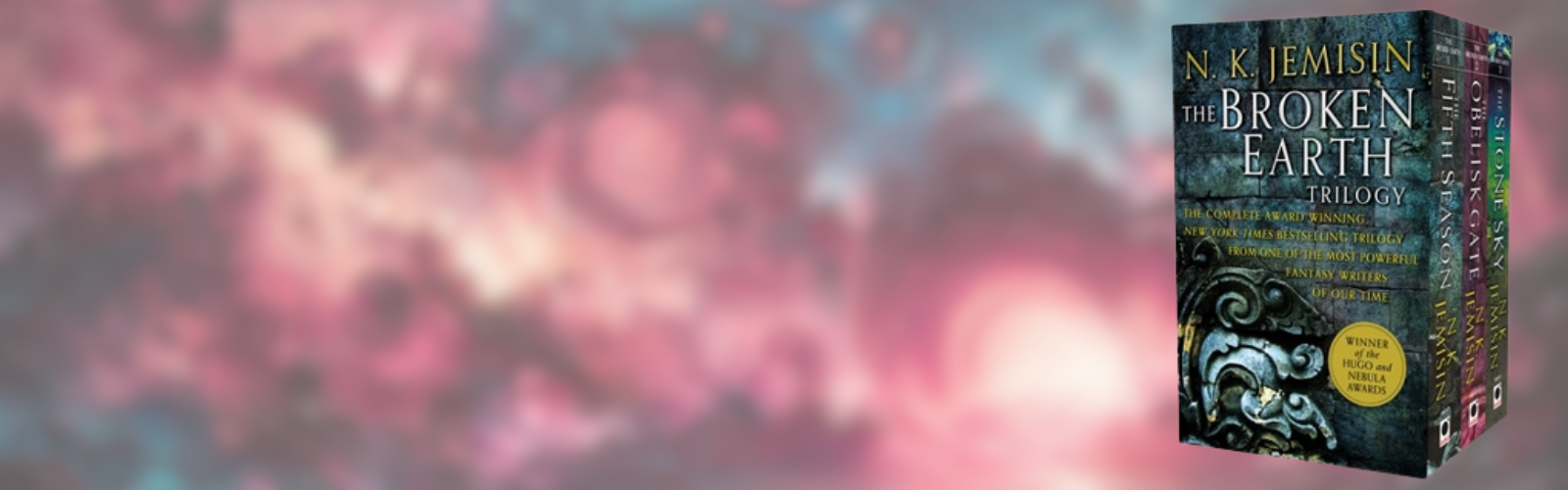
7. N.K. Jemisin's Broken Earth Trilogy — When the System Is Built on Sacrifice
The System: A world where certain people (orogenes) are enslaved, controlled, and killed because their power is feared—but also exploited to keep society functioning.
Why It Works: This isn't just a broken system—it's a system that requires oppression to survive. The world literally cannot function without the exploitation of orogenes.
The Choice: Essun doesn't try to reform the system. She breaks it. Completely. Because some systems can't be saved—they can only be unmade.
Start here: The Fifth Season (Book 1)
Conclusion: Why Systems Make Better Villains Than People
When the villain is a person, you can defeat them. Kill them, imprison them, redeem them—and the story ends.
But when the villain is a system, defeating it is just the beginning. Because systems don't die when you take out one person. They adapt. They replace. They justify.
The best urban fantasy makes you ask:
Who benefits from this system?
Who does it harm?
Can it be reformed, or does it need to burn?
And most importantly: What are you willing to sacrifice to change it?
That's the question I'm exploring in Without Villains—and it's the question at the heart of every series on this list.

Want to see how I'm building systems of power (and resistance) in my books?
Story Explorers members get:
Early access to Without Villains and Where the Dust Still Glows
Behind-the-scenes notes on worldbuilding, magic systems, and character arcs
The Whiskey Grimoire, where I explore the magick of writing, power, and un-fuckery
Join Story Explorers and step into the worlds where the stories keep going →